
When addressing the needs for beds in construction site dormitories, a comprehensive approach should be taken, considering the following aspects:
- Bed Type Selection
Bunk Beds/Tribed: These beds are highly space-efficient, making them ideal for cramped dormitory conditions. They are also typically sturdy, catering to the basic sleeping requirements of workers.
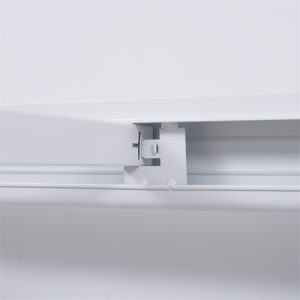
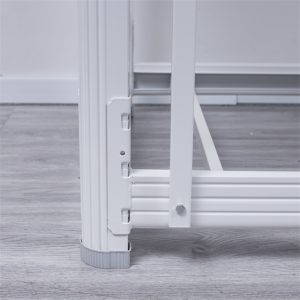
Folding Beds: Folding beds offer convenience in storage and mobility, suitable for situations where dormitory space fluctuates, such as the need for temporary additional beds.
Single Beds: Where space permits, single beds provide better sleep quality and personal space, albeit at the cost of occupying more area.
- Material
Bed Frame Material: The use of steel bed frames in construction site dormitories boasts several advantages. They are sturdy and durable, capable of enduring heavy use and weight, ensuring a safe sleeping environment for workers. Their stability ensures minimal noise and wobbling during sleep. Steel bed frames are also easy to clean and maintain, fitting well into the varying environments of construction sites and contributing to the overall cleanliness and hygiene of the dormitories. Furthermore, their sleek and simple designs often enhance space utilization, fulfilling both the practicality and cost-effectiveness requirements of construction site dormitories.
III. Setup & Safety
Stability: Beds must be stable, free from wobbling, to prevent injuries during sleep. Reinforce bed legs or use stabilizing straps to enhance stability.
Anti-Slip Measures: Ensure beds are non-slip to prevent accidents during climbing up or down.There are dents in the ladder, which increases friction
- Personalized Needs
Height Adjustability: Adjust bed heights for easy access, avoiding undue spinal pressure based on workers’ heights and preferences.
Additional Facilities: Where feasible, equip dorms with lockers, desks, or other amenities to cater to daily needs.